
2025

The Science Behind Abacus — Why It Boosts Brain Power in Kids.
Abacus learning and brain power in kids are more closely linked than most people realize. When children use the abacus, they activate both sides of the brain, strengthening memory, attention, and problem-solving skills. This combination of mental and visual engagement makes abacus training one of the most effective brain development
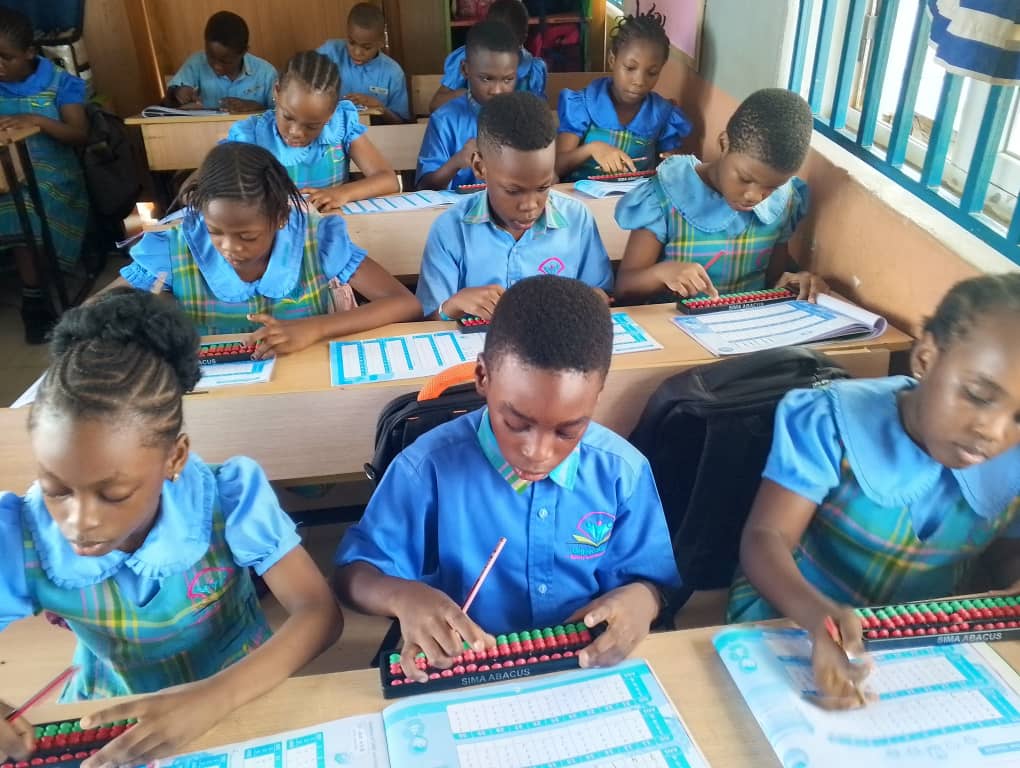
Abacus Learning and Concentration in Children | SIMA Abacus
Abacus learning and concentration in children are deeply connected. When kids practice abacus techniques, their brains process numbers visually and mentally—boosting focus, memory, and overall learning ability. The abacus is not just about numbers; it’s a brain-development tool that trains a child’s ability to concentrate, visualize, and stay mentally alert
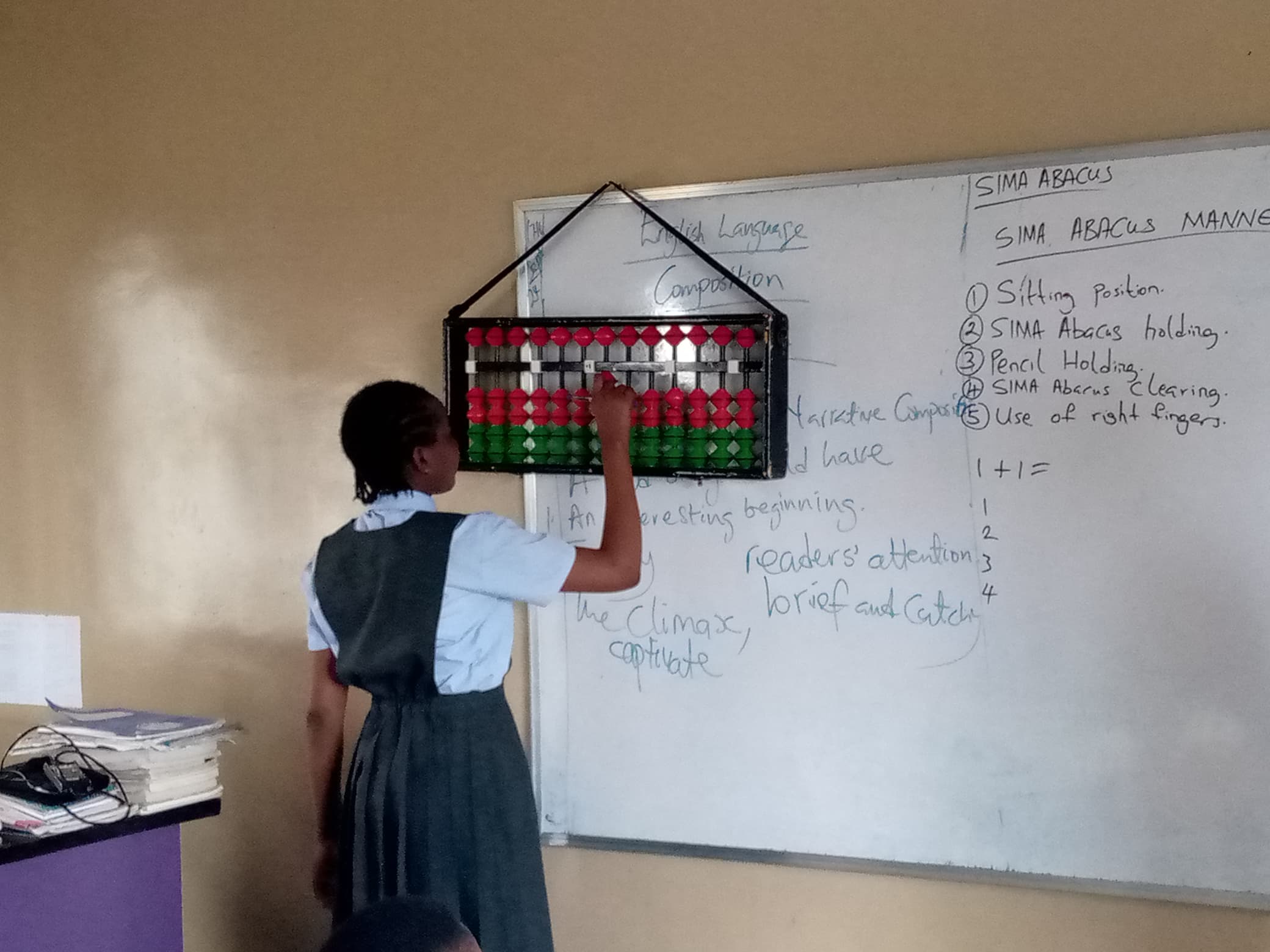
Abacus and Brain Power | SIMA Abacus
Every parent wants their child to have a bright start — not just in school, but in life.But what gives one child an edge over another? It often comes down to how early the brain is trained to think, focus, and process information. That’s where the abacus comes in —
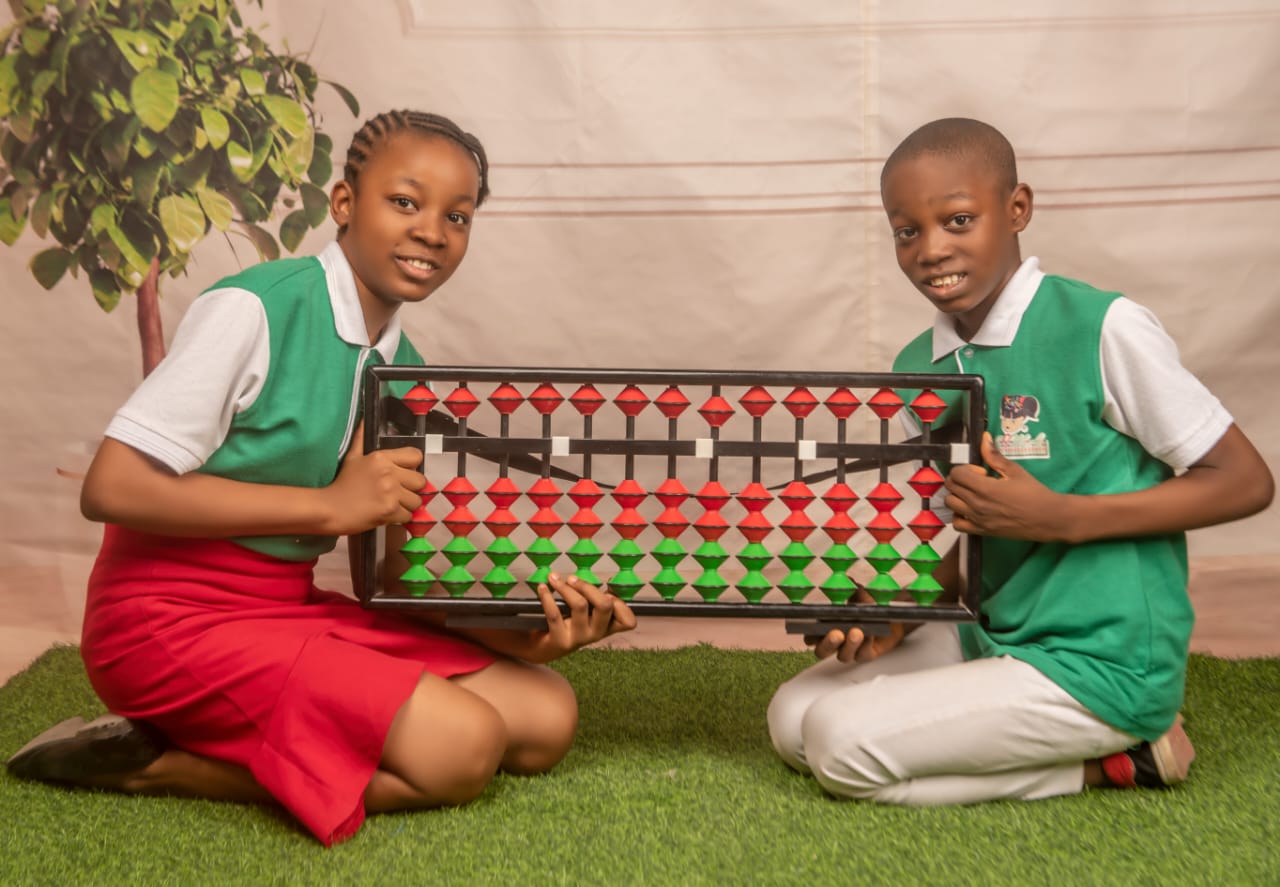
Best Abacus Training for Children in Nigeria
Every parent dreams of raising a confident, intelligent child who loves learning. But in today’s competitive world, traditional classroom teaching alone may not be enough. That’s why more parents are turning to abacus learning — a proven brain development tool that helps children think faster, focus better, and enjoy mathematics.
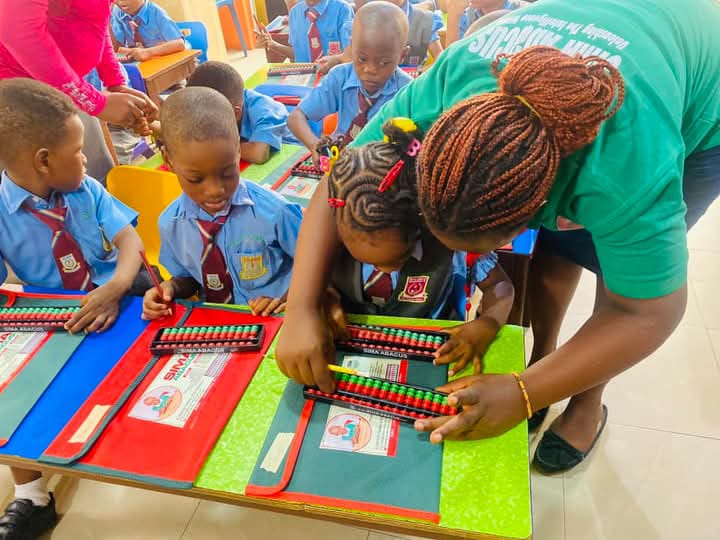
Why Every Child Needs SIMA Abacus Training
Every child deserves the chance to grow mentally strong, focused, and confident. That’s exactly what SIMA Abacus training for children provides — a proven way to develop sharper minds and better learners. Through engaging, hands-on abacus sessions, children learn to focus deeply, think logically, and approach learning with excitement. Abacus