
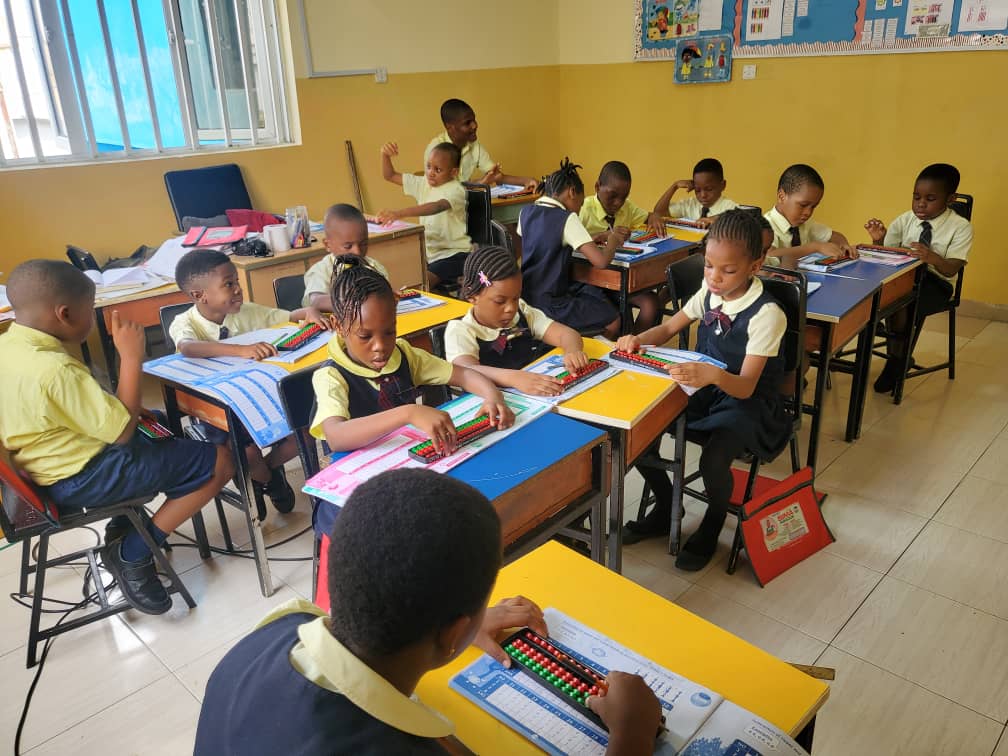
Many parents focus on reading and maths but overlook handwriting and note-taking—skills that directly affect academic performance. Interestingly, abacus practice and handwriting skills are closely connected. Abacus training develops fine motor control, visual coordination, and mental organisation, all of which contribute to clearer writing and better note-taking in school.
At SIMA Abacus & Mental Maths Academy, we consistently observe improvements in children’s written work after sustained abacus practice.
Why Handwriting and Note-Taking Still Matter in Primary School
Despite digital tools, most classroom learning still depends on writing. Children are expected to:
- Copy notes from the board
- Write answers clearly during exams
- Take short notes while listening
- Complete written assignments within time limits
Poor handwriting or slow writing often leads to lost marks—not because a child lacks knowledge, but because they struggle to express it on paper.
How Abacus Practice Strengthens Handwriting Skills
1. Improved Finger Strength and Control
Abacus learning requires frequent finger movement and precision. This strengthens the small muscles in the hands and fingers, which are essential for:
- Pencil grip stability
- Letter formation
- Writing endurance
Children who practise abacus often experience less hand fatigue during long writing tasks.
2. Better Hand–Eye Coordination
Using an abacus trains children to coordinate what they see with precise hand movements. This same coordination is required for:
- Staying within writing lines
- Consistent letter sizing
- Proper spacing between words
As coordination improves, handwriting naturally becomes neater and more legible.
3. Stronger Focus Leads to Neater Writing
Abacus sessions demand concentration and rhythm. Over time, children learn to slow their minds while keeping their hands steady.
This mental control reflects in handwriting that is:
- Less rushed
- More consistent
- Easier to read
The Connection Between Abacus Practice and Better Note-Taking
1) Faster Processing, Faster Writing
Children trained in abacus mental maths process information quickly. When teachers explain concepts or write on the board, these children:
- Understand faster
- Decide what is important
- Write more efficiently
This leads to improved note-taking without panic or confusion.
2) Organised Thinking, Organised Notes
Abacus training enhances mental sequencing and structure. This helps children:
- Write points in logical order
- Space their work properly
- Avoid messy, overcrowded pages
Well-organised notes make revision easier and boost academic confidence.
Benefits Parents Commonly Notice
After consistent abacus training, parents often report:
- Neater handwriting
- Faster writing speed during homework
- Improved classroom notes
- Greater confidence during written exams
These improvements support overall academic success, not just maths performance.
Why SIMA Abacus Takes a Holistic Approach
At SIMA Abacus, our programme is designed to develop the whole child. Beyond mental maths, our training supports:
- Fine motor development
- Cognitive focus and discipline
- Academic confidence across subjects
Writing Is a Skill the Brain Controls
Handwriting and note-taking are not just physical tasks—they are brain-directed skills. By strengthening coordination, focus, and processing speed, abacus practice improves handwriting skills and helps children communicate their knowledge clearly.
When a child can think clearly and write confidently, learning becomes easier and more enjoyable.
Help your child write with confidence and clarity.
Enrol today at SIMA Abacus & Mental Maths Academy
Visit: www.simaabacus.com
Email: simaabacus@gmail.com
Call/WhatsApp: +2348135178604