
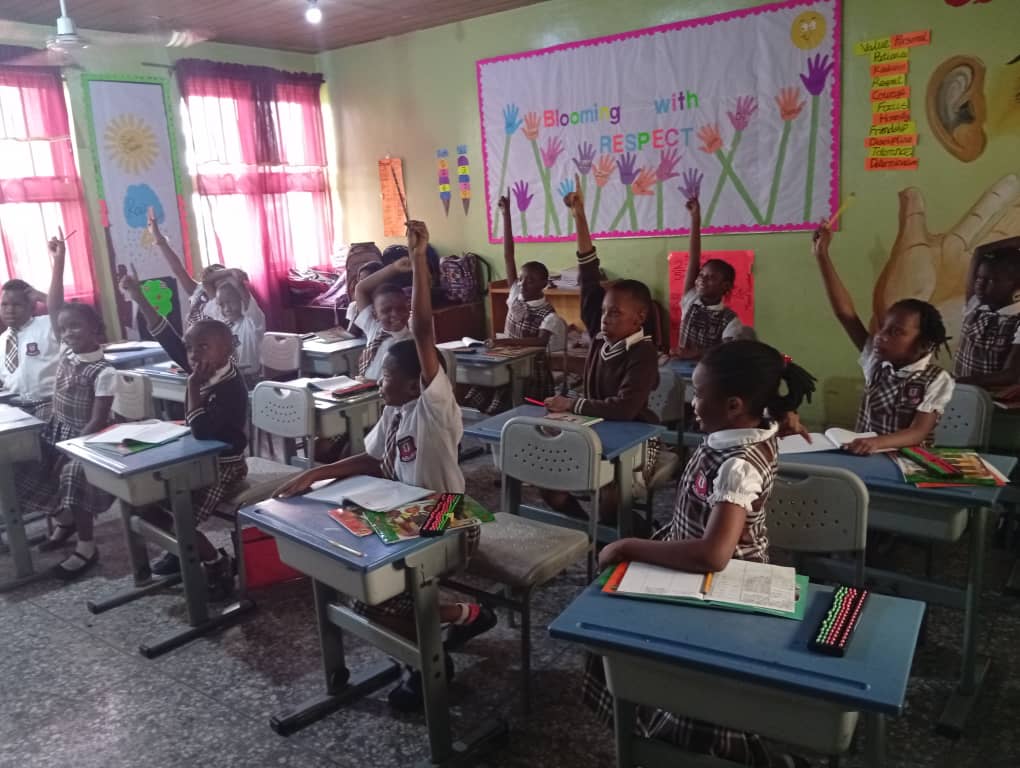
In today’s digital age, it’s easy for children to rely on calculators or phones to solve even simple sums. While these tools may seem convenient, they can actually weaken a child’s number sense and critical thinking skills over time. This is where abacus learning vs calculator becomes a crucial conversation for Nigerian parents.
At SIMA Abacus & Mental Maths Academy, we believe that mental maths and abacus training do more than teach arithmetic—they train the mind to think, solve problems, and make quick decisions, preparing children for the real world.
How Early Calculator Use Can Weaken Number Sense
Many children today reach secondary school without a strong grasp of basic calculations because they rely on calculators from a very young age. Overdependence can lead to:
- Slower mental processing
- Difficulty spotting patterns in numbers
- Poor memory retention for basic maths facts
Unlike calculators, abacus learning strengthens the brain’s natural ability to visualize and manipulate numbers mentally, creating strong foundational skills.
Passive Calculation vs Active Mental Processing
Using a calculator is passive—the child presses buttons and gets answers without thinking. Abacus training, however, is active:
- Children visualize beads and move them mentally
- They solve sums without external tools
- They develop focus, speed, and logical reasoning
This difference is crucial. Mental processing skills acquired through abacus learning transfer to all areas of learning, not just maths.
Abacus Builds Speed, Accuracy, and Thinking Skills
One of the biggest advantages of abacus training is that it combines speed with accuracy. Children trained on the abacus can:
- Solve arithmetic problems mentally in seconds
- Check their own work without guessing
- Develop problem-solving strategies
These skills give children a competitive edge in exams and everyday life—something calculators alone cannot provide.
Classroom Performance Without Electronic Aids
Many exams in Nigerian schools still discourage calculator use. Students who have relied too heavily on gadgets may struggle, whereas abacus-trained children:
- Work quickly without electronic aids
- Understand underlying maths concepts better
- Participate actively in class discussions
Abacus learning ensures children master concepts rather than memorize answers, giving them confidence in any academic setting.
Why SIMA Abacus Prepares Children for Real-Life Problem Solving
At SIMA Abacus & Mental Maths Academy, our goal is to create children who are future-ready, not dependent on technology. Our programs:
- Train mental calculations from a young age
- Enhance logical thinking and decision-making skills
- Equip children to solve real-world problems efficiently
In other words, abacus training isn’t just about maths—it’s about building a sharp, independent, and confident mind.
Conclusion: Choosing Mental Maths Over Calculator Dependency
The choice is clear. While calculators are helpful tools, overreliance can hinder a child’s cognitive development. Abacus learning vs calculator shows that mental maths develops skills that calculators never can: speed, accuracy, confidence, and problem-solving ability.
For parents who want children to thrive academically and in real life, abacus training is the smarter, future-ready choice.
📞 Give your child a mental edge today! Contact SIMA Abacus & Mental Maths Academy to start their abacus journey.
🌐 Visit www.simaabacus.com