
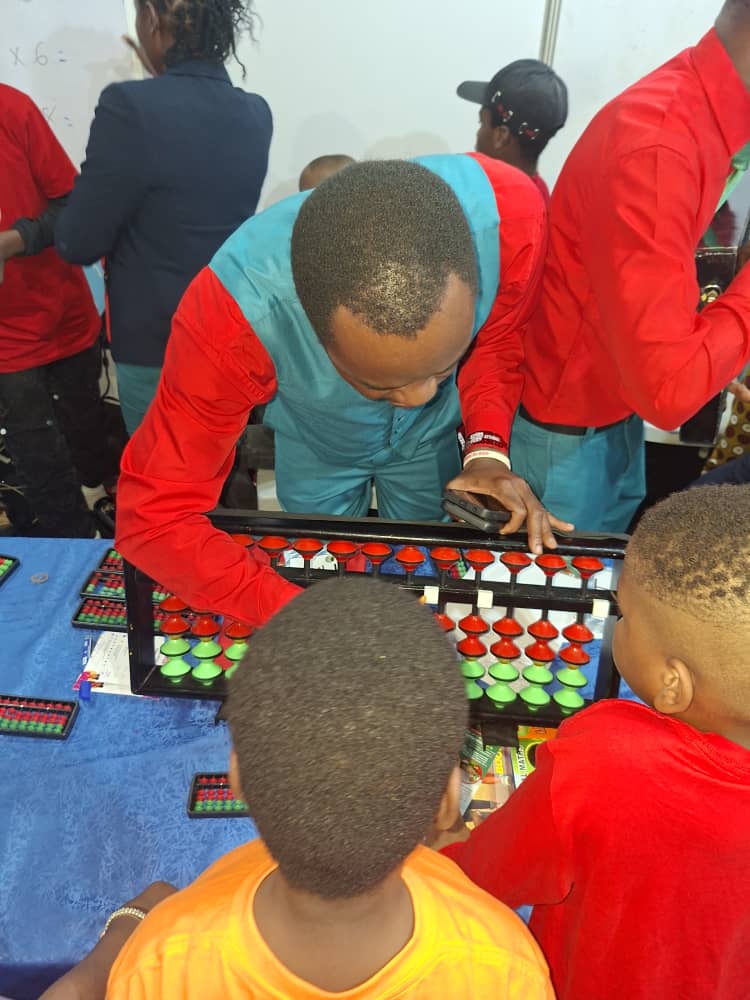
Confidence is one of the greatest gifts parents can give their children. A confident child is more willing to ask questions, tackle new challenges, participate in class, and believe in their ability to succeed.
One of the most effective ways to build that confidence is through mental math training. While many people think mental math is simply about calculating numbers quickly, it actually strengthens essential life skills such as concentration, memory, critical thinking, and self-belief.
At SIMA Abacus, we have seen countless children transform from hesitant learners into confident, enthusiastic achievers through our proven mental math training program.
Why Confidence Matters in a Child’s Learning Journey
Confidence influences how children approach learning. Children who believe in their abilities are more likely to:
- Participate actively in class.
- Attempt challenging questions without fear.
- Recover quickly from mistakes.
- Stay motivated when learning becomes difficult.
- Develop a positive attitude toward education.
On the other hand, children who lack confidence may avoid participating, doubt themselves, or become discouraged after making mistakes.
Building confidence early helps children develop resilience that benefits them throughout life.
What Is Mental Math?
Mental math is the ability to perform mathematical calculations accurately without relying on calculators, fingers, or written methods.
Children trained in mental math learn to visualize numbers and perform calculations quickly using the techniques they acquire through structured abacus training.
At SIMA Abacus, students begin by using the physical abacus. As their skills improve, they transition to imagining the abacus in their minds, allowing them to solve calculations rapidly with remarkable accuracy.
How Mental Math Builds Confidence
1. Children Experience Success Early
Small victories create lasting confidence.
As children master simple calculations and gradually solve more complex problems, they begin to realize:
“I can do this.”
These repeated successes encourage them to embrace bigger academic challenges.
2. Faster Calculations Reduce Anxiety
Many children feel nervous during mathematics lessons or timed tests.
Mental math equips children with techniques that help them solve problems quickly and accurately, reducing stress and making mathematics feel enjoyable rather than intimidating.
3. Improved Concentration Leads to Better Results
Mental calculations require children to focus carefully.
Over time, they develop stronger attention spans, allowing them to:
- Stay focused during lessons.
- Complete assignments more effectively.
- Avoid careless mistakes.
- Follow classroom instructions with greater ease.
As their academic performance improves, so does their confidence.
4. Better Memory Enhances Learning
Mental math exercises stimulate the brain and strengthen memory.
Children become better at remembering:
- Numbers
- Instructions
- Formulas
- Classroom lessons
- Daily tasks
Improved memory helps children succeed not only in mathematics but across all subjects.
5. Children Become Independent Thinkers
Instead of waiting for help, confident learners begin solving problems on their own.
Mental math encourages children to think critically, analyze problems, and arrive at solutions independently.
This sense of achievement builds lasting self-confidence.
6. Positive Recognition Motivates Children
When children answer questions correctly, teachers notice.
Parents celebrate improvements.
Friends admire their abilities.
These positive experiences reinforce children’s belief in themselves and motivate them to continue learning.
Confidence Beyond Mathematics
The benefits of mental math extend far beyond the classroom.
Confident children are more likely to:
- Speak confidently in public.
- Participate in school competitions.
- Make informed decisions.
- Handle challenges calmly.
- Develop leadership qualities.
- Communicate effectively with others.
These are essential life skills that contribute to long-term success.
The SIMA Abacus Difference
At SIMA Abacus, our goal goes beyond teaching children to calculate quickly.
Our training is designed to develop the whole child by strengthening:
- Concentration
- Visual memory
- Logical thinking
- Creativity
- Speed and accuracy
- Listening skills
- Confidence
- Self-discipline
Using our proven abacus methodology, children gradually build the skills they need to excel academically and personally.
Every lesson is carefully structured to make learning engaging, enjoyable, and rewarding.
How Parents Can Encourage Confidence at Home
Parents play an important role in reinforcing confidence.
Here are a few simple ways to help:
- Praise effort rather than perfection.
- Celebrate small improvements.
- Encourage daily mental math practice.
- Allow children to solve problems independently.
- Avoid comparing your child with others.
- Support consistent learning habits.
Combined with structured mental math training, these habits help children thrive.
Give Your Child the Confidence to Succeed
Every child has the potential to become confident, capable, and successful.
With the right guidance and consistent practice, mental math becomes much more than a numerical skill—it becomes a foundation for lifelong confidence.
At SIMA Abacus, we are committed to helping children unlock their full potential through engaging, practical, and brain-enhancing mental math training.
Whether your child is naturally confident or needs a little encouragement, the journey begins with one step.
Help your child discover the joy of learning, the excitement of solving problems, and the confidence to succeed in school and beyond.
Frequently Asked Questions (FAQs)
Does mental math improve confidence?
Yes. As children solve problems more accurately and quickly, they develop confidence in their abilities, making them more willing to participate in class and take on new challenges.
At what age should children begin mental math training?
Children between 3 and 13 years benefit greatly from structured abacus and mental math training because these are critical years for brain development.
Is mental math only useful for mathematics?
No. Mental math strengthens concentration, memory, problem-solving, and critical thinking skills that support learning across all subjects.
How does SIMA Abacus help children?
SIMA Abacus uses a structured abacus-based learning system that develops both mathematical ability and essential cognitive skills such as concentration, visual memory, confidence, creativity, and logical thinking.