
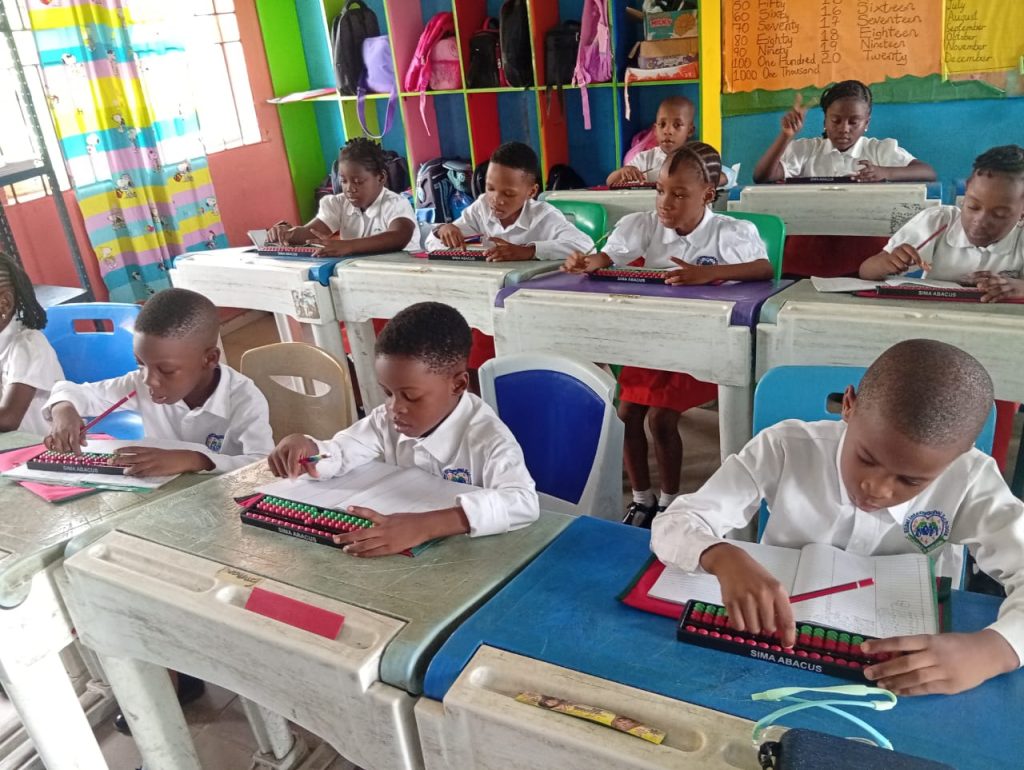
In today’s education system, many children are praised for getting the “right answers.” But here’s a question most parents don’t stop to ask:
Is your child truly understanding what they’re doing—or just memorizing steps?
It might seem like a small difference, but it has a huge impact on how well a child learns, grows, and solves problems in the long run.
The Problem with Memorization-Based Learning
Memorization is everywhere. From multiplication tables to exam preparation, children are often taught to repeat methods until they stick.
While this can help in the short term, it creates a hidden problem:
- Kids may struggle when questions are slightly different
- They become dependent on patterns instead of understanding
- Confidence drops when they face unfamiliar problems
A child who memorizes may get answers right—but a child who thinks knows why the answer is right.
What Real Thinking Looks Like in Children
When a child is truly thinking, you’ll notice things like:
- Breaking problems into smaller steps
- Trying different approaches
- Explaining their reasoning in their own words
- Solving unfamiliar questions with confidence
This kind of thinking builds independence—and that’s exactly what many traditional methods miss.
How Abacus Training Changes the Game
Abacus learning doesn’t rely on memorization. Instead, it trains the brain to visualize numbers and manipulate them mentally.
Rather than remembering formulas, children:
- Picture beads moving in their mind
- Understand number relationships deeply
- Perform calculations by reasoning, not recalling
Over time, they transition from using a physical abacus to solving problems entirely in their head—this is called mental abacus.
The Key Difference: Memory vs Mental Processing
Here’s the simple distinction:
- Memorization = storing information and repeating it
- Abacus thinking = processing numbers actively in the mind
With abacus training, children aren’t just recalling answers—they’re creating them in real time.
Signs Your Child Is Shifting from Memorizing to Thinking
After consistent abacus practice, parents often notice:
- Faster and more accurate calculations
- Improved concentration span
- Greater confidence in tackling new problems
- Less reliance on fingers, calculators, or prompts
Most importantly, children begin to enjoy solving problems instead of fearing them.
Why This Matters Beyond Math
This isn’t just about numbers.
The ability to think independently affects:
- Academic performance across subjects
- Decision-making skills
- Confidence in everyday situations
When children learn how to think, not just what to remember, they carry that skill for life.
Getting the right answer is good.
Understanding how you got there is powerful.
Abacus training helps bridge that gap—turning passive learners into active thinkers.
If your goal is to raise a child who doesn’t just memorize but truly understands, it might be time to look beyond traditional methods.