
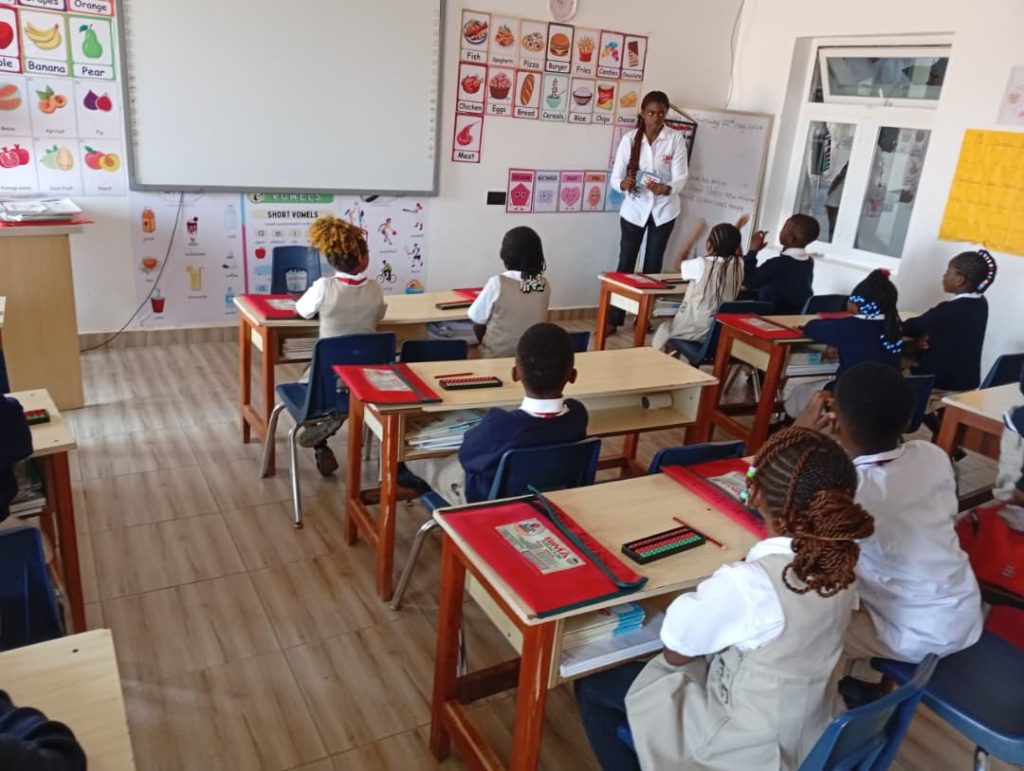
Many parents underestimate the connection between abacus training and academic confidence. Yet in many Nigerian classrooms, the difference between a child who participates boldly and one who stays silent often begins with number confidence.
When children struggle with maths, it doesn’t just affect their grades — it affects how they see themselves.
At SIMA Abacus & Mental Maths Academy, we’ve seen firsthand how structured abacus training transforms shy, hesitant learners into confident achievers.
Why Academic Confidence Starts with Number Mastery
In primary school, maths is one of the most visible subjects. Children are often asked to:
- Solve problems on the board
- Answer questions quickly
- Complete timed exercises
- Compete in quizzes
When a child calculates slowly or makes frequent mistakes, embarrassment can creep in. Over time, this leads to silence and withdrawal.
But when a child develops strong mental calculation skills, something powerful happens — confidence grows.
How Abacus Training Builds Academic Confidence
1) Speed Reduces Anxiety
Timed tests can create pressure. Children trained in mental maths solve problems faster and with greater accuracy.
When speed improves:
- Fear decreases
- Participation increases
- Exam performance improves
Confidence grows naturally when results improve.
2) Visualization Strengthens Mental Clarity
Abacus training teaches children to visualize numbers mentally. Instead of guessing, they “see” the numbers clearly in their minds.
According to research highlighted by educational bodies like UNICEF on foundational learning skills, early mastery of numeracy supports overall academic development.
When children feel mentally clear, they trust their answers more.
3) Success Creates Positive Self-Identity
Children begin to think:
- “I am good at maths.”
- “I can solve this.”
- “I am smart.”
That shift in self-belief impacts not just maths — but English, science, and classroom leadership.
Confidence is contagious.
The Classroom Difference: A Real Scenario
Imagine two pupils in a Lagos primary school:
Child A struggles with basic calculations and avoids eye contact during maths class.
Child B, trained in abacus mental maths, solves questions quickly and confidently raises their hand.
Over time, teachers notice Child B more. Praise increases. Opportunities increase.
The academic journey begins to change.
Early Confidence Prevents Maths Fear
Maths anxiety often begins in primary school — not secondary school.
Addressing number confidence early prevents long-term academic struggles.
Why Nigerian Parents Should Act Early
In today’s competitive academic environment:
- Common entrance exams are tougher
- Scholarship opportunities require speed
- STEM careers demand strong numerical skills
Abacus training and academic confidence go hand in hand. The earlier a child develops this skill, the stronger their academic foundation becomes.
How SIMA Abacus Makes the Difference
At SIMA Abacus, our structured program helps children:
✔ Calculate faster without calculators
✔ Improve concentration and memory
✔ Gain boldness in classroom participation
✔ Develop strong foundational maths skills
Our training is specifically designed to support Nigerian school curricula while building lifelong confidence.
If your child is intelligent but hesitant in maths, the solution may not be more homework — it may be stronger mental maths training.
Visit www.simaabacus.com today to enroll your child and help them build lasting academic confidence.