
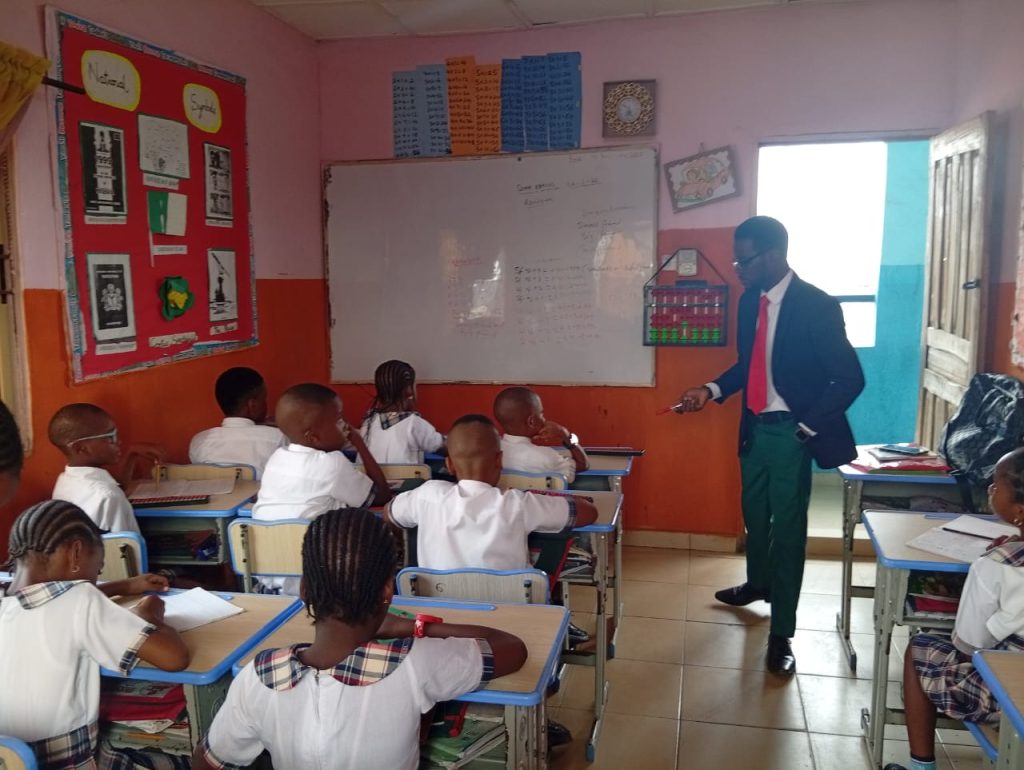
Many children start learning maths by counting on their fingers. While this is normal, it can slow mental development. Abacus for developing thinking skills in children helps them move from counting fingers to calculating mentally with speed and accuracy.
At SIMA Abacus, we guide children to transform basic counting into advanced mental maths, all while building focus, memory, and confidence.
How Abacus Transforms Young Minds
The abacus is not just a counting tool—it’s a brain trainer. By moving beads, children engage both hemispheres of the brain. Over time, this improves their ability to:
-
Visualize numbers mentally
-
Solve problems faster
-
Focus and concentrate on tasks
This combination of skills benefits all areas of learning, not just mathematics.
Key Benefits of Abacus for Thinking Skills
1. Mental Agility
Children learn to perform complex calculations in their mind, which develops quick thinking and problem-solving skills.
2. Improved Concentration
Abacus exercises require careful attention to each bead and number. This builds strong focus that transfers to schoolwork.
3. Enhanced Memory
Visualizing numbers and operations trains memory. Children recall solutions faster and remember formulas and steps naturally.
4. Confidence and Independence
As children master mental maths, they gain confidence in themselves and their abilities, reducing dependence on teachers or tools like calculators.
Fingers Today, Focus Tomorrow
Starting with fingers is natural, but continuing to rely on them can limit growth. Abacus learning transitions children from fingers to mental focus, giving them a lifelong advantage in academics and everyday problem-solving.
In Nigeria, parents notice their children:
-
Solve sums faster than peers
-
Approach maths with excitement instead of fear
-
Excel in exams requiring speed and accuracy
Abacus vs Traditional Counting
| Counting on Fingers | Abacus Training |
|---|---|
| Slow problem-solving | Fast mental calculation |
| Limited number understanding | Strong number sense |
| Short attention span | Improved concentration |
| Dependent on physical counting | Independent thinking |
| Risk of maths anxiety | Builds confidence |
Abacus develops thinking skills, while traditional counting is just a starting point.
Impact at SIMA Abacus
At SIMA Abacus & Mental Maths Academy, children learn through interactive sessions that make maths fun. They quickly move from:
-
Counting beads physically → visualizing numbers in their minds
-
Slow calculation → fast mental maths
-
Hesitation → confidence and focus
Parents frequently share that their children enjoy learning and even challenge themselves at home after abacus sessions.
Who Can Benefit Most?
-
Children aged 4–14 years
-
Learners struggling with focus or slow calculation
-
Bright children who need mental agility
-
Parents seeking strong foundational thinking skills
Abacus is more than maths—it’s a tool for the mind. By moving from fingers to focus, children develop mental agility, concentration, and confidence that lasts a lifetime.
Start your child’s abacus journey today and watch them transform from counting fingers to thinking fast!
Visit www.simaabacus.com to enrol or learn more.