
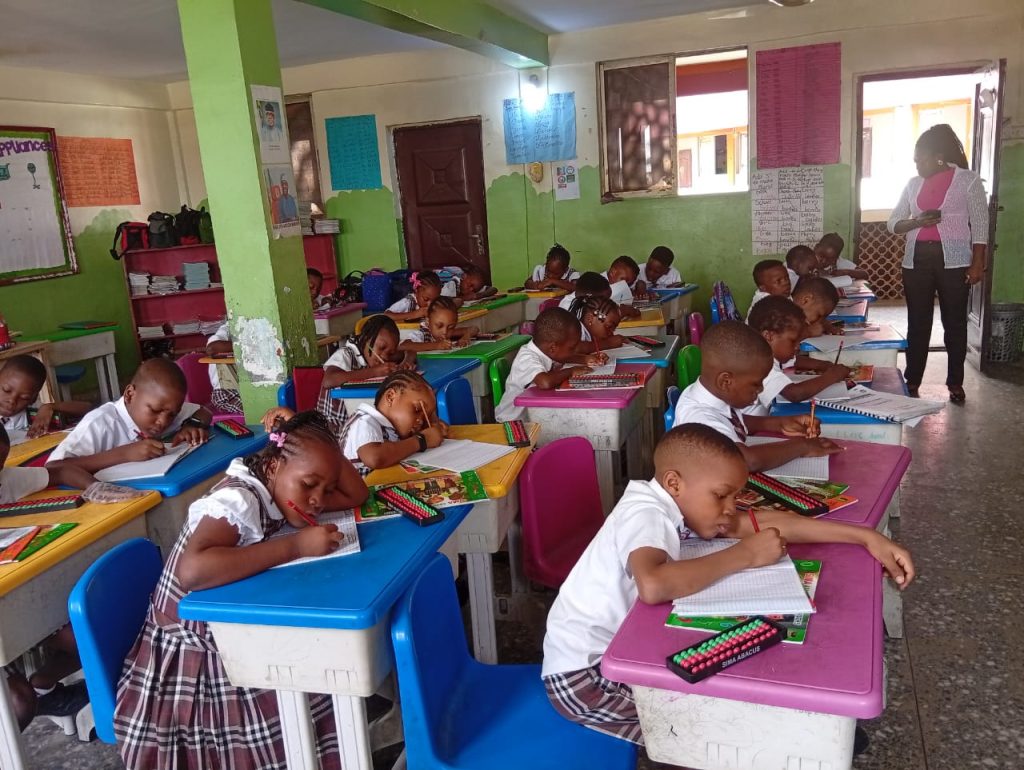
Parents often ask when the best time to introduce their children to the abacus is. The truth is this: abacus training for early childhood development is one of the most powerful investments you can make during your child’s formative years. Ages 3 to 7 are when the brain grows the fastest — building memory, focus, creativity, and emotional strength.
At SIMA Abacus, we have seen preschoolers who struggled with attention or learning transform beautifully within weeks of structured abacus lessons.
1. Abacus Training Boosts Both Sides of the Brain
Most early learning activities focus heavily on the left brain (logic, reasoning, numbers). The abacus is one of the few tools that activates both the left and right hemispheres at the same time.
- The left brain handles the calculations
- The right brain handles the visualisation of beads
This dual activation helps children think faster, process information better, and perform mental tasks with confidence.
2. It Sharpens Visual Memory in Young Children
Preschoolers learn best through pictures, colours, and patterns. The abacus uses these strengths naturally.
With continuous practice, children start “seeing” the beads in their minds even when the abacus isn’t in front of them. This improves:
- Photo memory
- Imagination
- Recall ability
- Early reading readiness
A child who can visualise clearly usually learns faster in school.
3. It Improves Hand-Eye Coordination and Fine Motor Skills
Every bead movement strengthens a child’s fingers, wrists, and small muscles. This may look simple, but it has a BIG impact.
Better fine motor skills help with:
- Writing neatly
- Holding pencils correctly
- Buttoning shirts
- Drawing and colouring
- Everyday tasks that require control and precision
This is why the abacus is especially helpful for children in nursery and lower primary classes.
4. It Builds Focus, Patience, and Emotional Growth
One of the hidden benefits of abacus training is emotional development.
Preschoolers learn:
- How to follow steps
- How to finish a task
- How to stay calm when solving something
- How to try again after a mistake
Each small win from moving beads correctly boosts confidence. Over time, parents notice their children becoming more patient, disciplined, and self-assured.
5. A Real Nigerian Parent’s Story
Mrs. Oladipo enrolled her 4-year-old son, Tobi, because he couldn’t sit still during learning activities. After one term at SIMA Abacus, everything changed.
She said:
“His attention span increased. He now sits through activities without wandering off. Even his teacher in school asked what we did at home.”
Stories like this are common because the abacus trains the mind gently, without pressure.